




Case Studies
Baselight v7
Veronica Tiron puts Baselight v7 to the test on Baselight S for macOS
After the release of Baselight v7, we caught up with the colourists who road-tested the release to find out which new tools they’re most excited about.
For more in the series, see:
CEM OZKILICCI | VERONICA TIRON
Paris-based freelance colourist, Veronica Tiron, recently switched to Baselight S for macOS and has been testing Baselight v7. We talked to her about how her new set-up along with v7’s new features have allowed her to embrace the flexibility of freelancing and grade multiple projects on the move – including an Oscar-nominated short film graded entirely on a laptop from Spain.
Veronica Tiron has spent nearly a decade working with Baselight, moving fluidly between long-form features, shorts and on-set colour work. Recently, she has been testing new features in Baselight v7 using Baselight S on macOS, a setup that has fundamentally changed how she works across locations, screens and stages of production.
Working as both a finishing and on-set colourist, Tiron values flexibility above all. “I’m not always in the same place or even the same environment,” she explains. “Sometimes I’m on set, sometimes in a lab, sometimes travelling with just a laptop. For me, the image staying consistent in every environment and on every screen is crucial.”
That consistency became a reality for her with Baselight v7’s HDR screen matching and display adaptation, which means moving between Mac, studio monitors and projection no longer means second-guessing the image.
“It’s been a challenge for colourists for a long time,” she says. “It looks fine here, but then you go somewhere else and it doesn’t look the same. Or the client is seeing it differently from where they are. With the Baselight v7 display adaptation, this problem just doesn’t exist anymore.
“With the new Apple monitor profiles, I can now work at a professional level with a 100% match between my home studio and projection, or when switching to HDR. Whether it’s a client monitor and a grading monitor, or SDR and HDR on a single display, the image stays consistent.”
For Tiron, the impact is especially clear when moving into HDR workflows. “The switch to HDR is really impressive—even on a MacBook laptop screen,” she adds. “Being able to blend SDR and HDR accurately on one monitor changes how and where I can work. It finally means I can trust what I’m seeing, wherever I am.”
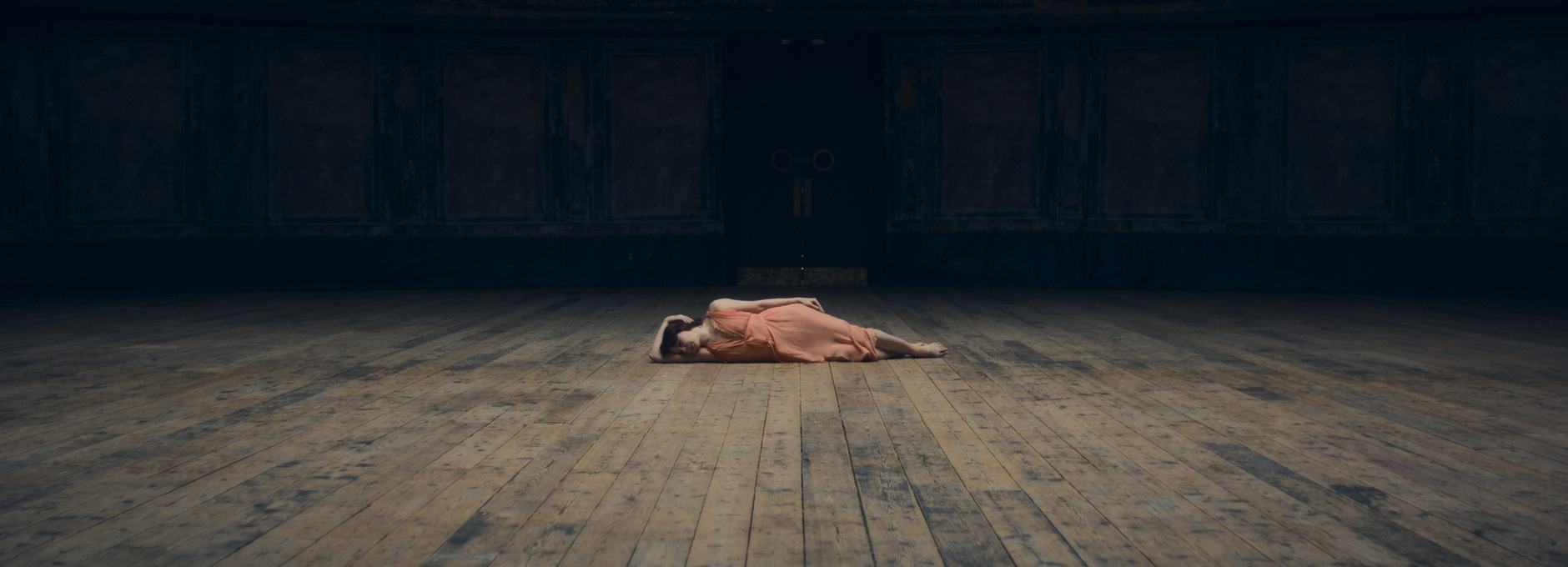
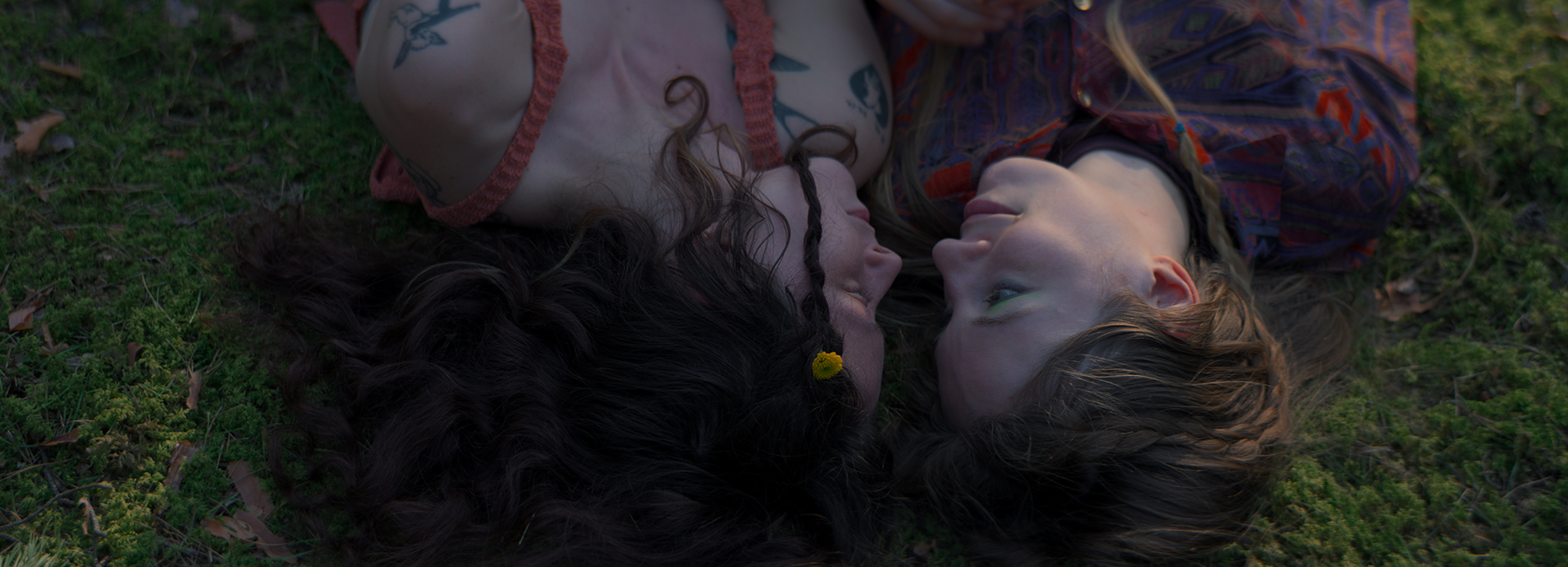
This is particularly valuable on projects that demand mobility. For example, Tiron recently graded a short film almost entirely on a laptop using Baselight S while travelling. The movie, Extremist (2025), has just gone on to be shortlisted for major awards including the 98th Academy Awards (among the 15 films on the shortlist for consideration for best live action short film).
“I was in Spain with only my laptop, but I was able to deliver the entire project using Baselight v7 on my Mac. That level of flexibility just wasn’t possible for me before.”
Using Baselight S on her Mac also allows Tiron to take on a more lab-like role during production. On a recent feature, she prepared timelines for projection days during the shoot, allowing the director, cinematographer and herself to assess continuity and overall look together. “I could change anything—day-for-night, grades, experiments. I was basically like a lab, but on set.”
Beyond mobility, the improved screen matching has changed conversations with clients and collaborators. “Before, you’d hear: ‘It doesn’t look the same as it did in the studio.’ Now we don’t need to have that conversation anymore. We can work at a distance and still talk about the image itself, not the mismatch.”
For a freelance colourist balancing artistic exploration with technical reliability, that shift is significant. “When it clicks in your mind that this is solved, it’s a really good feeling,” Tiron says. “It lets you focus on the creative work instead of worrying about where or how the image is being seen.”

“Being able to blend SDR and HDR accurately on one monitor changes how and where I can work. It finally means I can trust what I’m seeing, wherever I am.”
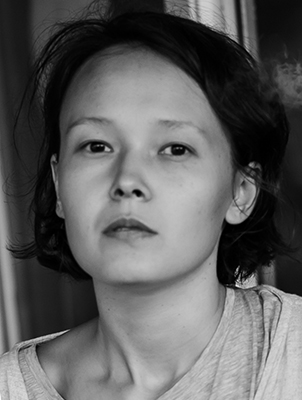
Veronica Tiron
